

Keshavam DC Hosts Hindu-Christian Interfaith Discussion on the Divine Feminine in Washington, D.C.
Share
Hindu community center in Washington, D.C. hosts interfaith dialogue
Keshavam Hindu Community Center in Washington, D.C. is hosting an interfaith discussion on the “Divine Feminine” on Thursday, August 20, 2026, at 7:00 PM.
The event will bring together Hindu perspectives with Christian perspectives through a discussion featuring Rev. Aaron R. Dunn of the Episcopal Diocese of Washington, according to Keshavam’s official events calendar.
The gathering is particularly notable because it is taking place at a Hindu community center in the heart of the U.S. capital and focuses on a theological idea with deep significance within Sanatan Dharma: the understanding of the Divine through feminine forms and manifestations.
Event details
Keshavam has confirmed the following information:
Event: Interfaith Discussion on Divine Feminine
Date: Thursday, August 20, 2026
Time: 7:00 PM
Venue: Keshavam Hindu Community Center
Address: 2012 R Street NW, Washington, D.C. 20009
The event is listed by Keshavam as an interfaith discussion involving Rev. Aaron R. Dunn from the Episcopal Diocese of Washington.
Those planning to attend should check Keshavam’s official event calendar for any last-minute updates.
Why the theme of the Divine Feminine is significant in Hinduism
The idea of the Divine Feminine occupies an important and highly developed place within Hindu philosophical and devotional traditions.
Across different Hindu sampradayas, the Divine is worshipped in feminine forms including:
Durga, associated with Shakti, strength and protection;
Lakshmi, associated with prosperity, auspiciousness and abundance;
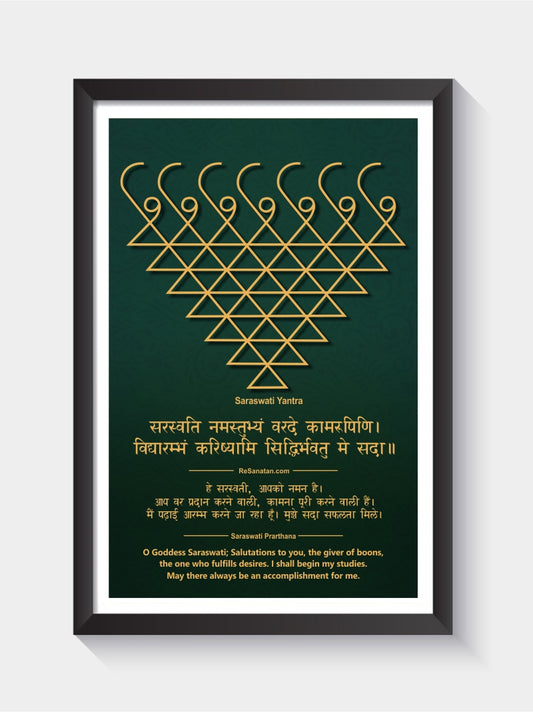
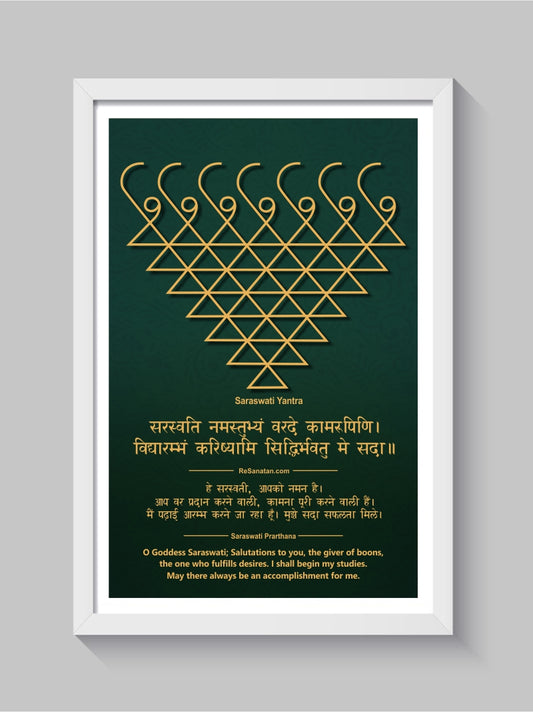
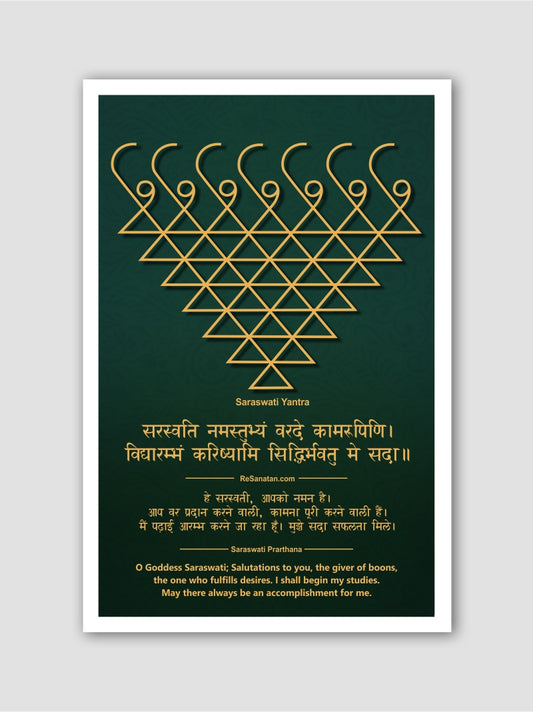
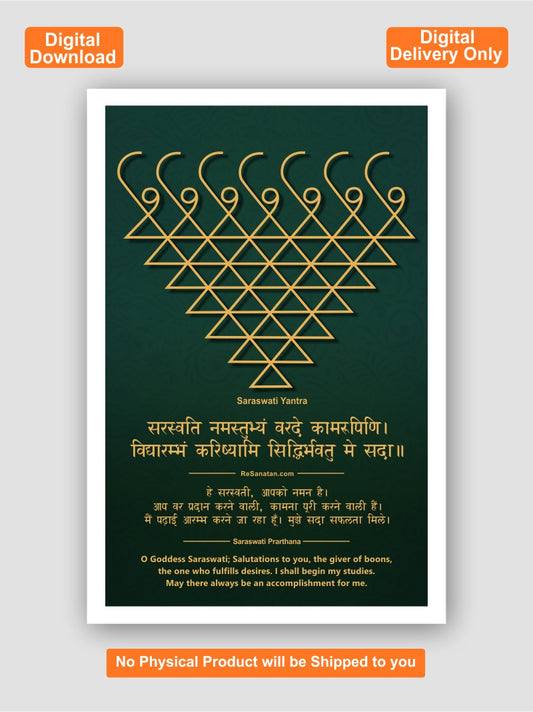
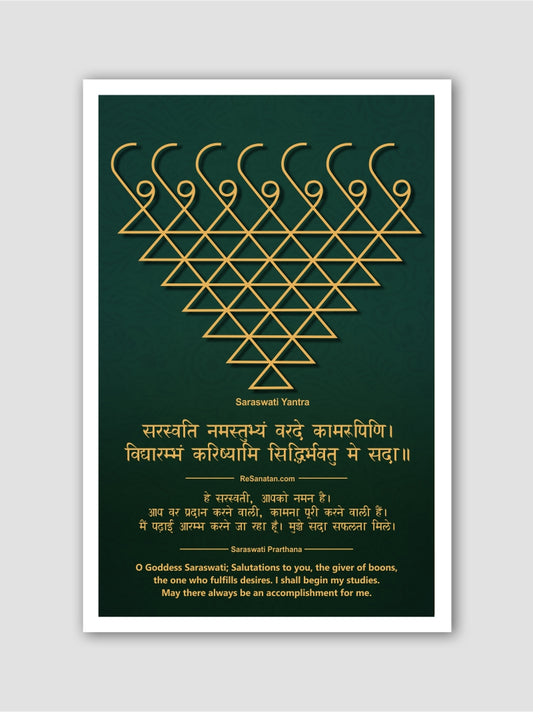
Saraswati, associated with knowledge, learning, wisdom and the arts;
Parvati, associated with divine motherhood, devotion and spiritual power;
and many other manifestations of Devi.
In Shakta traditions, Shakti itself is understood as the fundamental divine power through which creation, preservation and transformation occur.
Hindu philosophy therefore offers a theological framework in which the Divine Feminine is not merely symbolic but can be worshipped directly as the Supreme Divine Reality.
An opportunity to explain Hindu traditions in an American setting
Interfaith discussions can be particularly valuable for Hindu Americans because Hindu ideas are sometimes explained in simplified terms within the broader American religious conversation.
Concepts such as Devi, Shakti, murti worship and multiple manifestations of the Divine do not always fit neatly within theological frameworks familiar to people raised in Abrahamic traditions.
A discussion hosted directly by a Hindu institution gives Hindu participants an opportunity to present these concepts from within their own tradition rather than only through outside interpretation.
This is especially relevant when discussing the Divine Feminine.
Hinduism contains some of the world’s most extensive theological traditions centered around female manifestations of divinity, ranging from household worship of Lakshmi and Saraswati to sophisticated philosophical traditions surrounding Adi Shakti and Devi.
Why interfaith engagement matters for Hindu Americans
For Hindu communities in the United States, interfaith dialogue can serve several purposes.
It can help neighbors understand Hindu beliefs and practices more accurately.
It can create relationships between Hindu temples, churches, synagogues and other religious institutions.
It can also provide Hindu youth with opportunities to learn how to explain their traditions confidently in a multicultural society.
As Hindu communities become increasingly established in America, these conversations are becoming more important.
Hindu Americans are not only preserving religious traditions within their own communities; they are also participating more visibly in America's broader religious and civic landscape.
Keshavam’s role as a Hindu community center in Washington, D.C.
Keshavam describes itself as the Hindu Community Center of Washington, D.C., located at 2012 R Street NW.
Its public-facing framework centers around four themes:
Pray. Learn. Gather. Serve.
The center hosts religious activities, community gatherings and educational programs alongside broader cultural and interfaith engagement.
Its location in central Washington gives the institution a distinctive role.
Unlike many Hindu temples located in suburban areas, Keshavam provides a dedicated Hindu presence within the nation's capital, where government institutions, universities, nonprofit organizations, embassies and religious communities regularly interact.
Hinduism and the Divine Feminine in an interfaith context
A Hindu-Christian discussion on the Divine Feminine can reveal both similarities and important theological differences.
Within many Hindu traditions, Devi can be worshipped directly as Bhagavati or the Supreme Divine.
Christian traditions generally approach feminine imagery of the sacred differently, with discussions sometimes involving themes such as divine wisdom, motherhood, Mary or feminine theological language.
These traditions should not be treated as equivalent.
A productive interfaith conversation recognizes differences while exploring how different faith communities understand attributes such as compassion, creativity, wisdom, protection and divine motherhood.
The Keshavam event offers an opportunity for precisely this kind of engagement.
Why this development matters to Hindus in the USA
The significance of the August 20 event goes beyond one evening program in Washington.
It reflects an increasingly visible stage in the development of Hindu-American community life.
Earlier generations often focused primarily on building temples and establishing basic religious infrastructure.
Today, Hindu institutions are increasingly participating in:
interfaith discussions,
public education,
community service,
religious literacy initiatives,
cultural programs,
and conversations about Hindu philosophy within wider American society.
These activities help establish Hinduism as a visible and understood component of America's religious diversity.
An educational opportunity for younger Hindu Americans
Interfaith events can also be valuable for Hindu youth.
Children raised in the United States frequently encounter questions about their religion from classmates, teachers and friends.
They may be asked:
Why do Hindus worship different deities?
Who is Devi?
What does Shakti mean?
Why can God be represented as both male and female?
Why do Hindus worship Lakshmi, Durga and Saraswati?
Understanding the philosophy behind these traditions can help young Hindu Americans answer such questions with greater confidence.
Events that discuss Hindu concepts in an interfaith environment can therefore reinforce both religious literacy and cultural confidence.
The broader importance of religious literacy
America is home to communities representing nearly every major world religion.
As this religious diversity grows, accurate understanding becomes increasingly important.
Hinduism is sometimes described primarily through festivals, yoga or cultural practices, even though Sanatan Dharma contains extensive philosophical, theological and devotional traditions.
Topics such as the Divine Feminine provide an opportunity to move beyond surface-level explanations and explore deeper Hindu ideas.
This can help non-Hindus understand why worship of Devi remains central to millions of Hindu families worldwide and increasingly visible within Hindu communities across the United States.
Practical information
Event: Interfaith Discussion on Divine Feminine
Date: Thursday, August 20, 2026
Time: 7:00 PM
Venue: Keshavam Hindu Community Center
Address: 2012 R Street NW, Washington, D.C. 20009
Featured participant: Rev. Aaron R. Dunn, Episcopal Diocese of Washington
The event and time are currently listed on Keshavam's official calendar.
Visitors should confirm any registration requirements or schedule changes with Keshavam before attending.
Why Washington, D.C. is an important setting
Holding such a discussion in Washington, D.C. adds another layer of significance.
The capital is a national center for public policy, diplomacy, education, advocacy and interfaith engagement.
A dedicated Hindu community institution in this environment can help ensure Hindu perspectives are represented in broader conversations about religion and American society.
As the Hindu-American population becomes more established, institutions such as Keshavam can play an increasingly important role in connecting Sanatan Dharma with the broader civic and religious life of the United States.
Conclusion
On August 20, 2026 at 7:00 PM, Keshavam Hindu Community Center in Washington, D.C. will host an interfaith discussion on the Divine Feminine, featuring Rev. Aaron R. Dunn of the Episcopal Diocese of Washington.
For Hindu Americans, the event provides an opportunity not only for interfaith understanding but also for deeper discussion of one of Sanatan Dharma's distinctive theological traditions—the recognition and worship of the Divine in feminine forms.
As Hindu institutions continue to grow across the United States, events such as this show that their role is expanding beyond worship alone.
They are becoming places where Sanatan Dharma is practiced, explained and represented within America's wider religious conversation.